A robust data strategy is crucial for modern business success. Many organizations struggle to invest in tools but still see their initiatives fall short. It is not about data, but about the strategy. This guide highlights five common pitfalls to avoid when developing a data strategy. It provides tips that can be put into practice to prevent them so that you can generate a robust framework of quantifiable outcomes.

Among the most common mistakes in data strategy is the belief that it is a technical exercise. When companies first begin to accumulate as much data as possible, they commonly believe that evidence will form. It is a climate of collecting everything and dumping it into a data lake, where no one can manage the data because the data lake contains all data. Your strategy and data are nothing more than a prohibitive pastime without a clearly established link to business objectives.
Information projects should be directly connected to achievable and definite company results. Do you want to enhance customer retention, drive your supply chain, focus on better ROI in the marketing sphere, or create new products? All these aims presuppose various data, tools, and analyses.
Before you write a single line of code or purchase any software, start by defining what you want to achieve.
Data quality is the ultimate destroyer of data strategies, often happening without being noticed. When your underlying data is wrong, incomplete, or not consistent, whatever insights or models you develop upon it will also be inaccurate, incomplete, and inconsistent. This is especially true in the field of data analytics with its so-called garlic-in, recently bagged-out rule. Most organizations do not take the work entailed in keeping clean and trustworthy data, thus resorting to mistrust of the findings and poor decision-making.
The management of availability, usability, integrity, and security of data, commonly referred to as data governance, is not merely red tape. It is what makes your data reliable and suitable.
Integrate data quality and governance into your strategy from day one.
One may possess the finest data and the most high-quality tools, but without knowledge of how to work with them, they are in the hands of already trained workers. One of the most frequent errors is an assumption that data is the sole duty of the data science team. To succeed in a data-driven strategy, it must establish a data-cultured culture in which all employees are empowered to apply data in their day-to-day decisions and are encouraged to reflect on their daily decision-making processes.
This necessitates making an investment in data literacy — reading, working with, analyzing, and communicating effectively with data. With a team that feels at ease with information, it becomes more WebEx-connected; the team might (more probably) pose the correct questions, visualize opportunities, and challenge assumptions.
Become an organization-wide perceived core competency in data literacy.

The data tool market is vast and continues to expand. Ventures tend to be easily mired in the hype of the newer AI platform or visualization software. Most organizations are victims of the shiny object syndrome, where they end up buying costly technology without laying out how they will utilize it. The tool itself can be deemed as good as the strategy it outlines below. It is a formula for low-payoff investment, starting with technology that defines the business problem.
Let your business needs drive your technology choices, not the other way around.
A data strategy is not a "set it and forget it" document. It is alive, and it should be changed in line with your business. Customers evolve, markets evolve, and new technology becomes available. A successful approach that was effective a year ago will no longer be applicable today. The fact that organizations do not regularly review and adjust their data strategy can lead them to fall behind their competitors and leave new opportunities untapped.
Make a data strategy an iterative and agile approach.
An effective data strategy is not merely about technology; a successful data strategy encompasses people, process, and purpose. To stay agile and avoid numerous pitfalls, pay attention to a solid business focus, develop quality data underpinning, a data-centric culture, tool selection, and flexibility. Through such a narrow scope of work, you can convert numbers into insights to be put into action, thereby making real change to your business and gaining a competitive advantage.

How AI with multiple personalities enables systems to adapt behaviors across user roles and tasks

Effective AI governance ensures fairness and safety by defining clear thresholds, tracking performance, and fostering continuous improvement.

Explore the truth behind AI hallucination and how artificial intelligence generates believable but false information
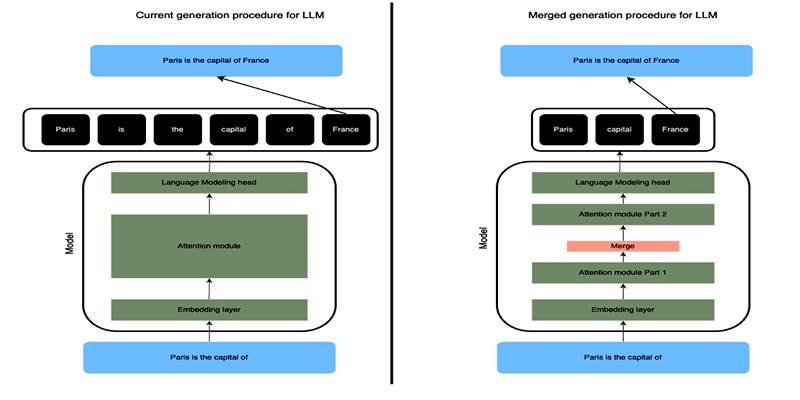
Learn how SLERP token merging trims long prompts, speeds LLM inference, and keeps output meaning stable and clean.

How to approach AI trends strategically, overcome FOMO, and turn artificial intelligence into a tool for growth and success.

Explore how Keras 3 simplifies AI/ML development with seamless integration across TensorFlow, JAX, and PyTorch for flexible, scalable modeling.

Craft advanced machine learning models with the Functional API and unlock the potential of flexible, graph-like structures.

How to avoid common pitfalls in data strategy and leverage actionable insights to drive real business transformation.

How neural networks revolutionize time-series data imputation, tackling challenges in missing data with advanced, adaptable strategies.
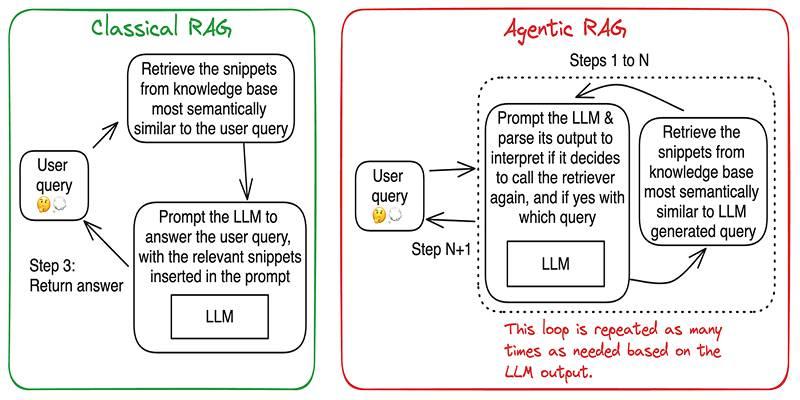
Build accurate, explainable answers by coordinating planner, retriever, writer, and checker agents with tight tool control.

Learn when to use threads, processes, or asyncio to handle I/O waits, CPU tasks, and concurrency in real-world code.

Discover DeepSeek’s R1 training process in simple steps. Learn its methods, applications, and benefits in AI development