Keras 3 bridges the gap between TensorFlow, JAX, and PyTorch, enabling seamless AI/ML development across frameworks. In this guide, we will explore Keras 3’s versatile features, demonstrate its integration with multiple frameworks, and provide practical insights to help you build powerful and flexible machine learning models.
Keras 3 redefines how developers work with AI/ML by delivering a unified interface for TensorFlow, JAX, and PyTorch. This enhanced compatibility eliminates the need to commit to a single backend, fostering flexibility and innovation. Below, we break down some of the essential aspects of Keras 3 under key focus areas that make it a game-changer in the machine learning ecosystem.
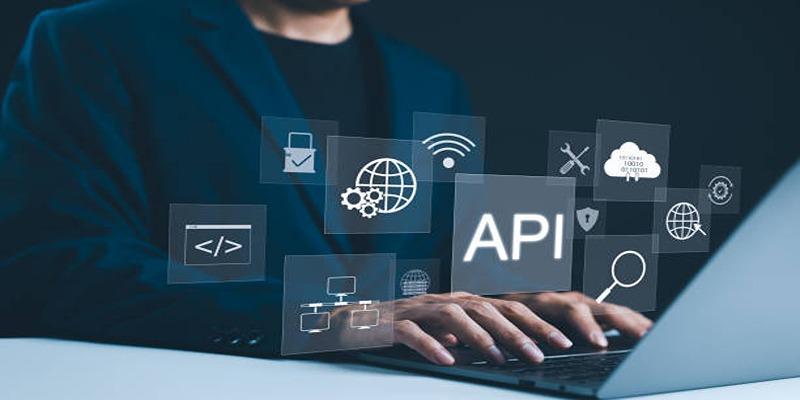
Keras 3 offers a unified API that simplifies the development process across TensorFlow, JAX, and PyTorch. Developers can write code once and deploy it on various frameworks without learning multiple APIs. This interoperability significantly decreases development time and boosts productivity, allowing teams to focus more on model optimization and innovation rather than switching between different framework-specific syntax.
The new version of Keras enhances customization options, making it easier to design complex neural network architectures. With configurable layers, loss functions, and metrics, users can adapt the framework to suit their unique project demands. This flexibility is especially beneficial for research and experimentation, enabling the development of novel models tailored for cutting-edge AI challenges.
Keras 3 is built with integration in mind, allowing it to plug into existing machine learning workflows effortlessly. Whether you’re working with TensorBoard for visualization or leveraging cloud platforms for model deployment, Keras 3 ensures smooth connectivity and compatibility. This makes it an ideal choice for enterprises and researchers looking to enhance their operational efficiencies without disrupting current processes.
Keras 3 leverages the strengths of its supported frameworks to deliver optimized performance and scalability for large datasets and deep learning tasks. By enabling seamless transitions between backends, it allows developers to harness the computational benefits of each framework as needed. This results in faster training times and the ability to scale models effectively across diverse hardware ecosystems.
A strong and active community backs Keras 3, offering extensive documentation, tutorials, and troubleshooting resources. Its position within widely adopted frameworks like TensorFlow, JAX, and PyTorch ensures long-term support and continuous updates. This vibrant ecosystem empowers both beginners and seasoned practitioners to accelerate their AI/ML journeys with confidence and reliability.
Multi-framework development simplifies the integration of diverse tools and resources, enabling developers to harness the unique strengths of various frameworks effortlessly. This flexibility is crucial for addressing complex machine learning challenges and optimizing performance across different domains. Below are some key use cases where multi-framework development shines:
Combining the strengths of frameworks like TensorFlow, JAX, and PyTorch allows for efficient prototyping and testing of models. Developers can explore concepts quickly, leveraging the specific advantages of each framework, such as TensorFlow's scalability or JAX's automatic differentiation. This flexibility accelerates model experimentation, reducing the time from ideation to implementation.
Not all environments are suited to a single framework, especially when dealing with cloud platforms, edge devices, or high-performance computing infrastructures. Multi-framework development ensures models can be adapted and deployed seamlessly in diverse habitats. For example, TensorFlow Lite might suit edge devices, while PyTorch caters to research-heavy projects.
Certain machine learning tasks benefit from the specific optimizations offered by different frameworks. PyTorch's dynamic computation graphs are excellent for research applications, while TensorFlow’s static graphs shine in production scenarios. Coordinating multiple frameworks for specialized purposes ensures tasks are executed more efficiently, enhancing overall workflow productivity.
Keras 3 provides a streamlined and user-friendly environment for building and deploying machine learning models. Before you begin, it's essential to understand how to set up your workspace and explore practical examples. Additionally, following best practices can significantly enhance your development experience and model performance. Below are some detailed insights to guide you.
To start with Keras 3, ensure your system has Python installed, alongside essential libraries like TensorFlow. It's recommended to create a virtual environment for better dependency management, keeping your project isolated. Installing Keras 3 using pip simplifies this process, ensuring compatibility with the latest updates. Verify your setup by implementing a simple "Hello World" model to confirm everything is functioning correctly.
Keras 3 offers a rich ecosystem of tutorials ranging from beginner-friendly introductions to complex applications. Try experimenting with example projects like building an image classifier or a text sentiment analyzer. These hands-on exercises provide practical insights into Keras's APIs and workflows, making it easier to translate theoretical knowledge into real-world implementations.
Adopting structured coding practices helps maintain efficiency while working with Keras 3. Organize your data pipelines and preprocessing steps clearly to avoid bottlenecks later. Leverage Keras's built-in debugging tools to catch errors early in development. Additionally, maintain comprehensive documentation of your models and experiments to simplify collaboration and troubleshooting across teams.

Keras continues to push boundaries in AI/ML with upcoming innovations focusing on simplifying model deployment and enhancing scalability. Future releases aim to integrate more robust tools for edge AI applications, making machine learning models accessible on devices with limited computational power.
Advancements in AutoML will allow users to automate model selection and hyperparameter tuning more effectively. Integration with emerging technologies, such as federated learning, is also anticipated, enabling secure and privacy-conscious AI development across distributed systems.
Keras 3 simplifies AI/ML development by bridging TensorFlow, JAX, and PyTorch with a unified API. It accelerates experimentation, enhances performance, and supports flexible deployment across platforms. By combining ease of use with robust integration, Keras 3 empowers teams to build scalable, innovative models efficiently—making it a powerful tool for both research and production.

How AI with multiple personalities enables systems to adapt behaviors across user roles and tasks

Effective AI governance ensures fairness and safety by defining clear thresholds, tracking performance, and fostering continuous improvement.

Explore the truth behind AI hallucination and how artificial intelligence generates believable but false information
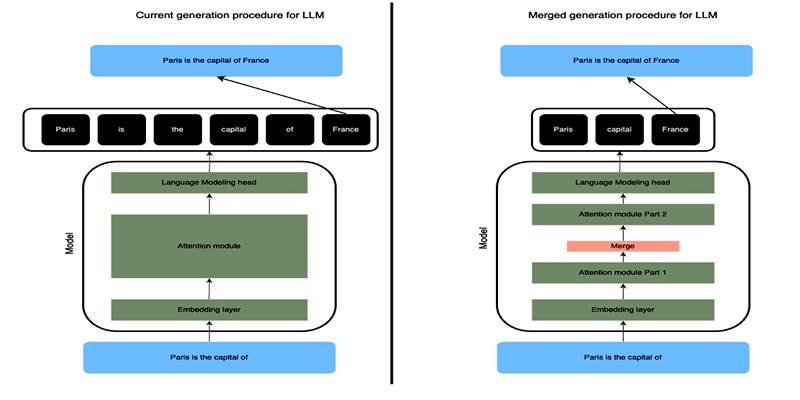
Learn how SLERP token merging trims long prompts, speeds LLM inference, and keeps output meaning stable and clean.

How to approach AI trends strategically, overcome FOMO, and turn artificial intelligence into a tool for growth and success.
Explore how Keras 3 simplifies AI/ML development with seamless integration across TensorFlow, JAX, and PyTorch for flexible, scalable modeling.

Craft advanced machine learning models with the Functional API and unlock the potential of flexible, graph-like structures.

How to avoid common pitfalls in data strategy and leverage actionable insights to drive real business transformation.

How neural networks revolutionize time-series data imputation, tackling challenges in missing data with advanced, adaptable strategies.
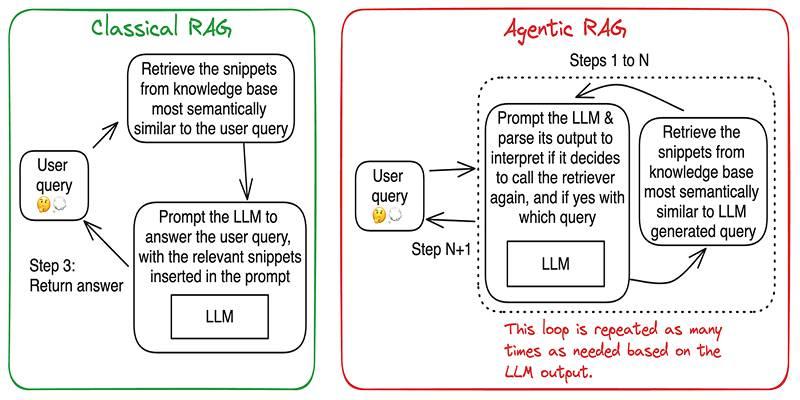
Build accurate, explainable answers by coordinating planner, retriever, writer, and checker agents with tight tool control.
Learn when to use threads, processes, or asyncio to handle I/O waits, CPU tasks, and concurrency in real-world code.

Discover DeepSeek’s R1 training process in simple steps. Learn its methods, applications, and benefits in AI development